
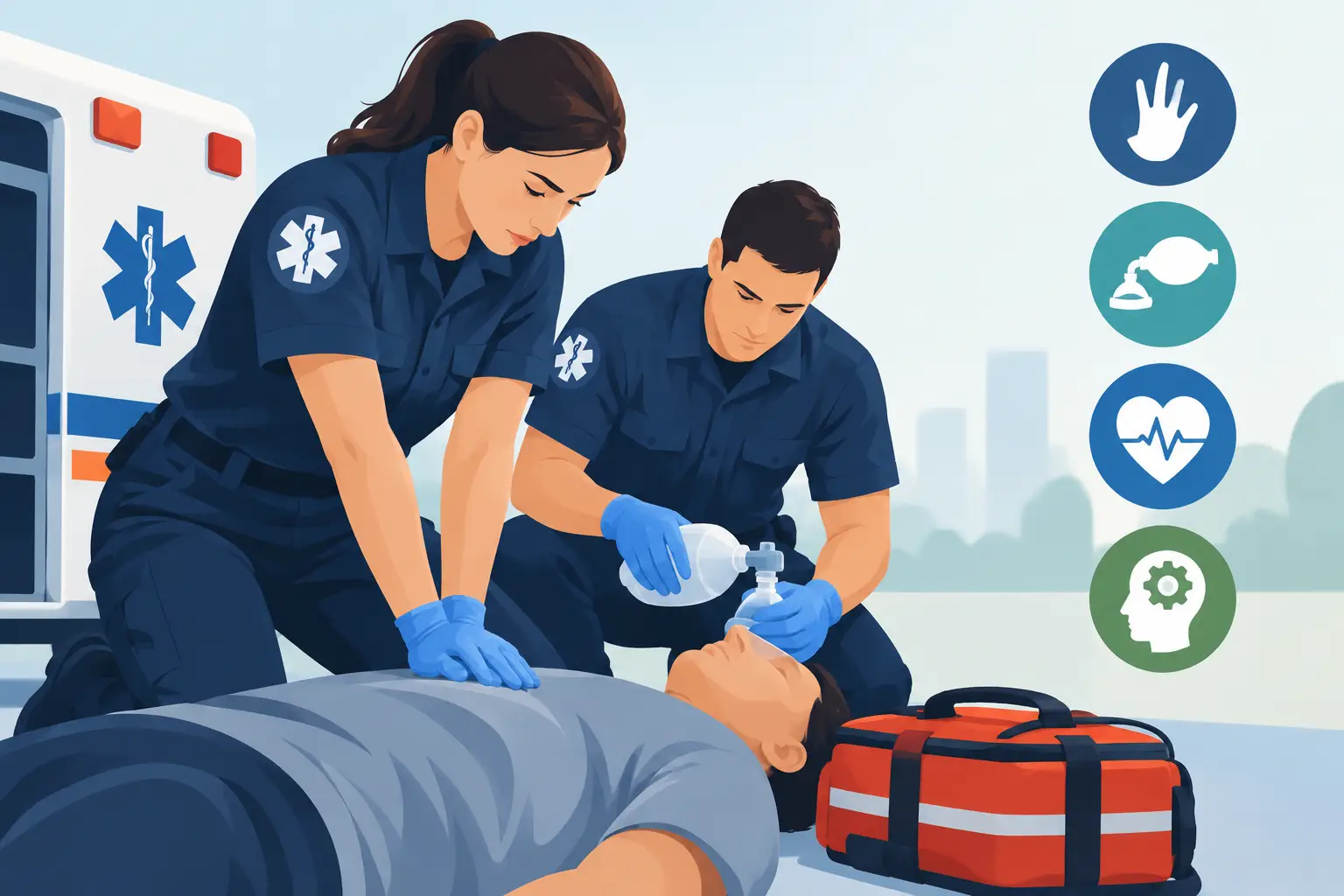
New York Ambulance Career Guide for New EMTs
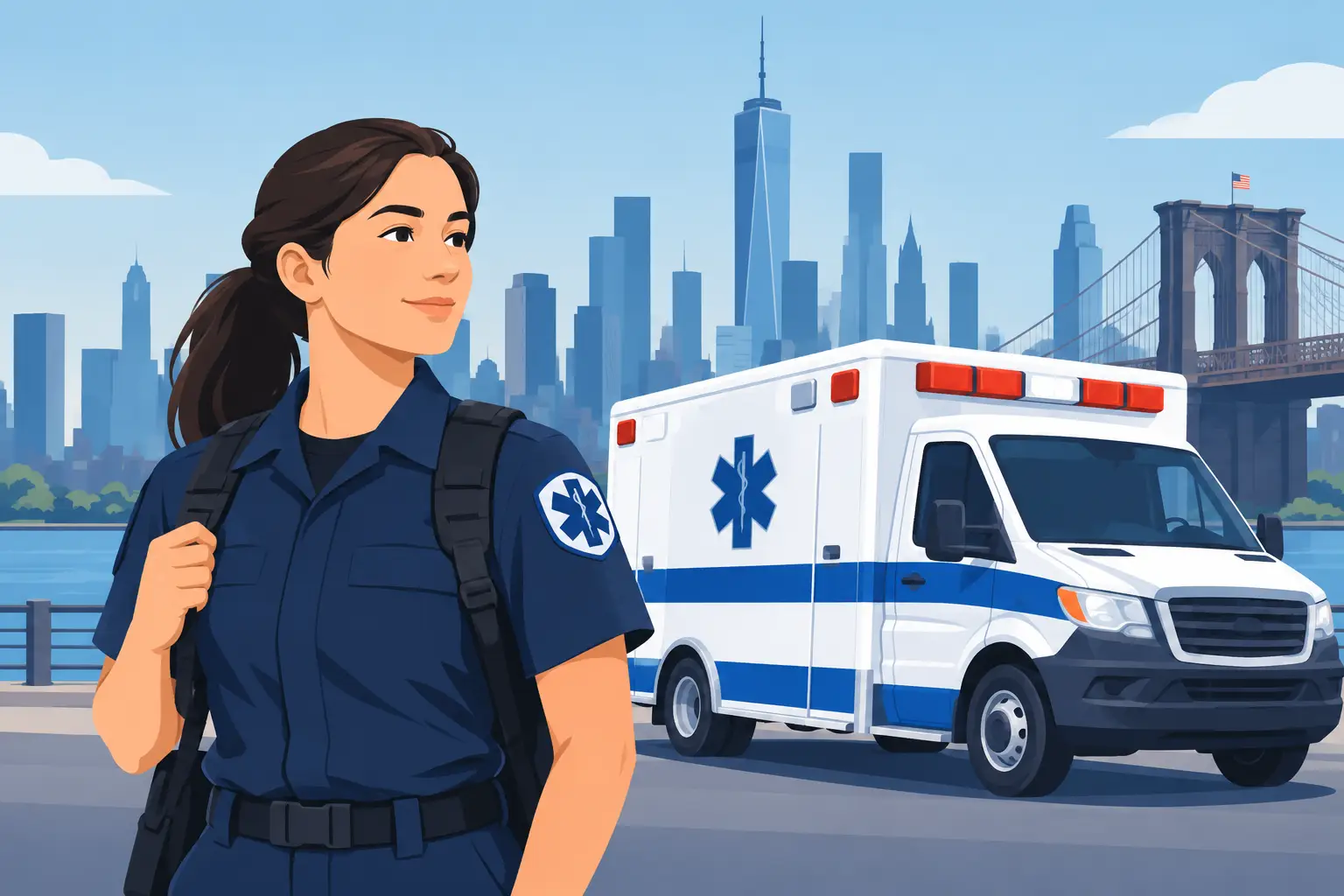
An ambulance career in New York begins long before the first emergency call. It starts with the ability to stay composed, communicate clearly, learn medical skills thoroughly, and show up prepared for a team that depends on you. This New York ambulance career guide...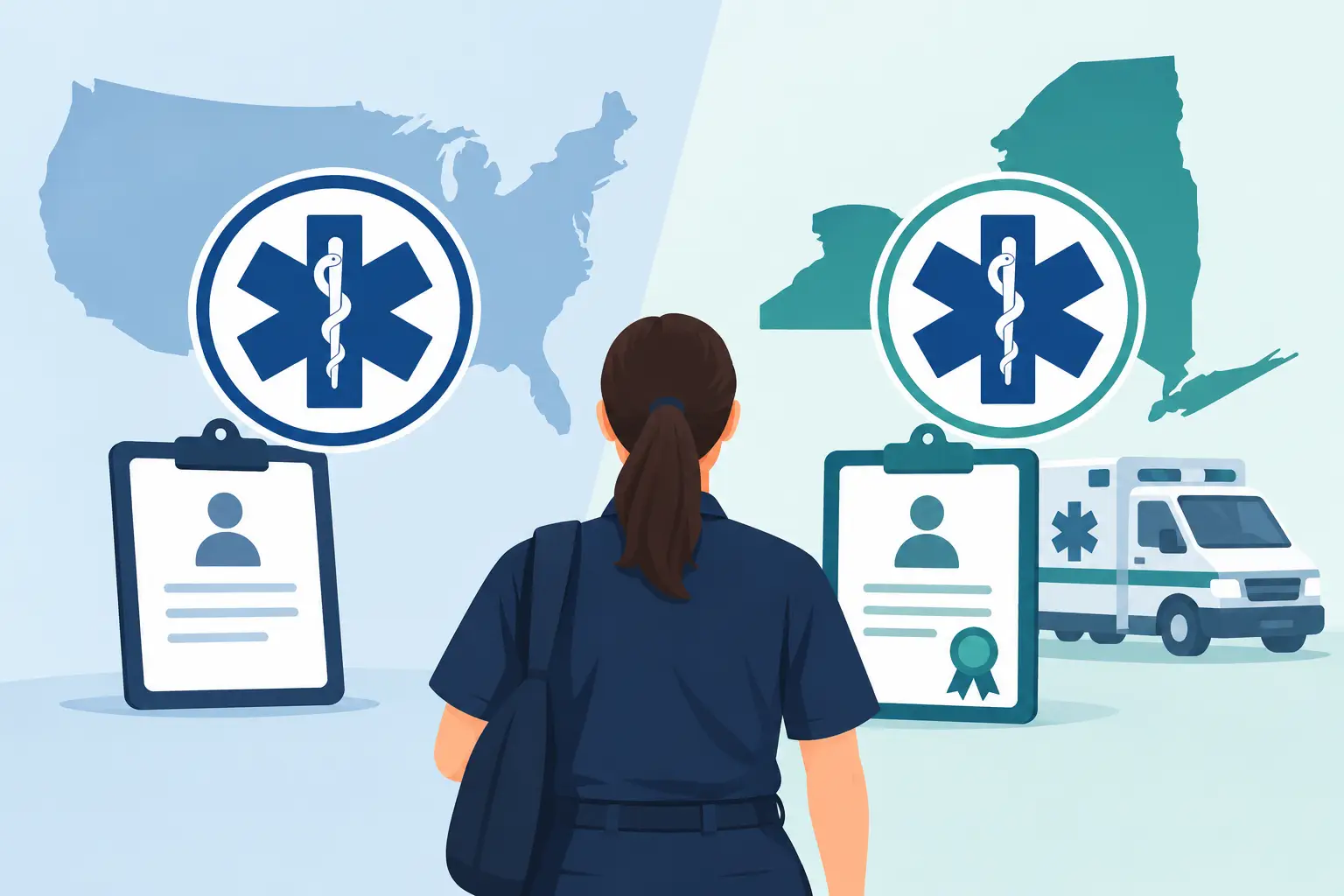
NREMT Versus NYS Certification Explained
A student can complete a strong EMT course, pass demanding examinations, and still ask a crucial question before applying for a job: does this credential allow me to work in New York? The distinction between NREMT versus NYS certification matters because national...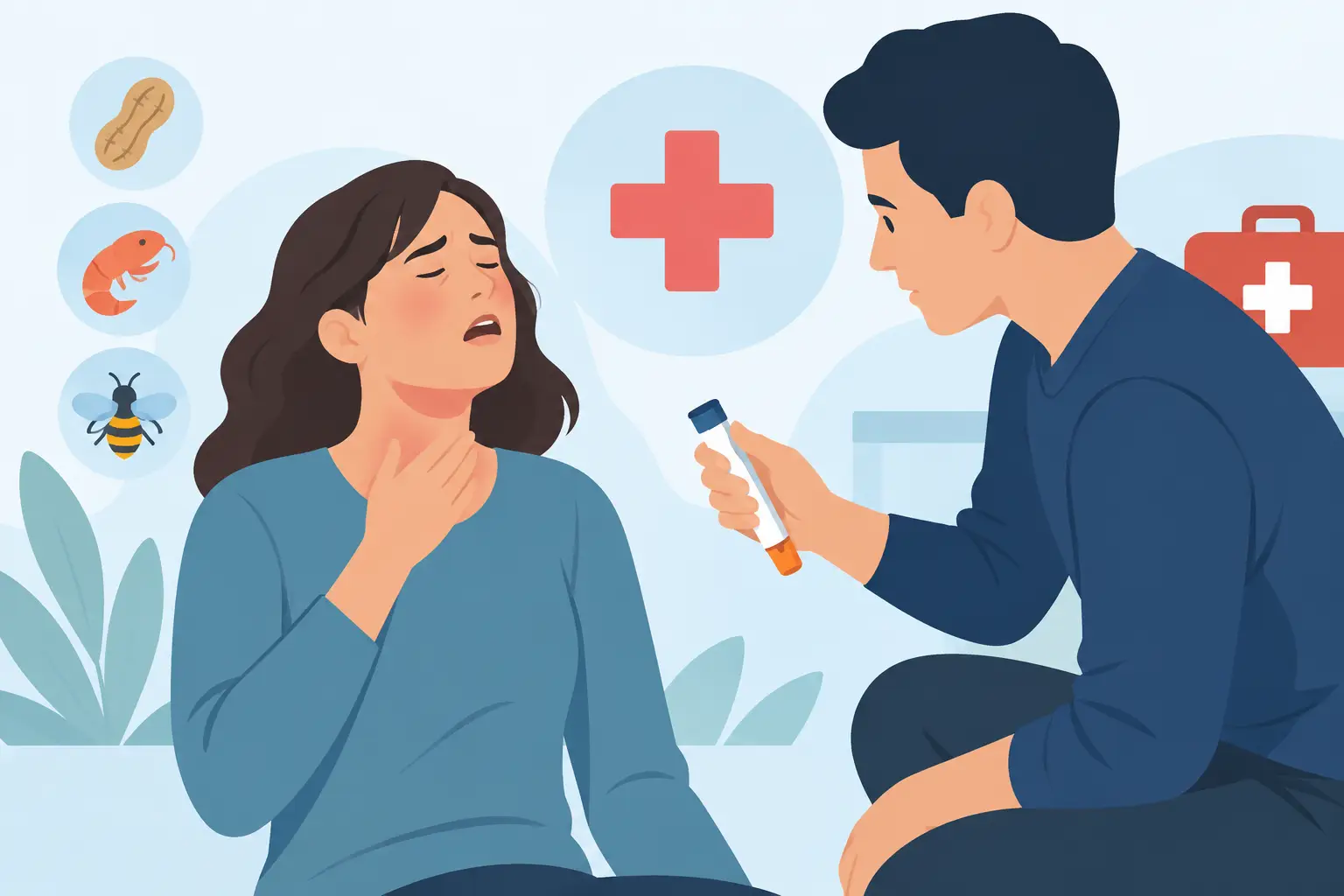
How to Treat Anaphylaxis Safely and Fast
A patient who says, “My throat feels tight,” after eating, taking a medication, or being stung by an insect may be only minutes from a life-threatening airway emergency. Knowing how to treat anaphylaxis means recognizing that this is not a wait-and-see...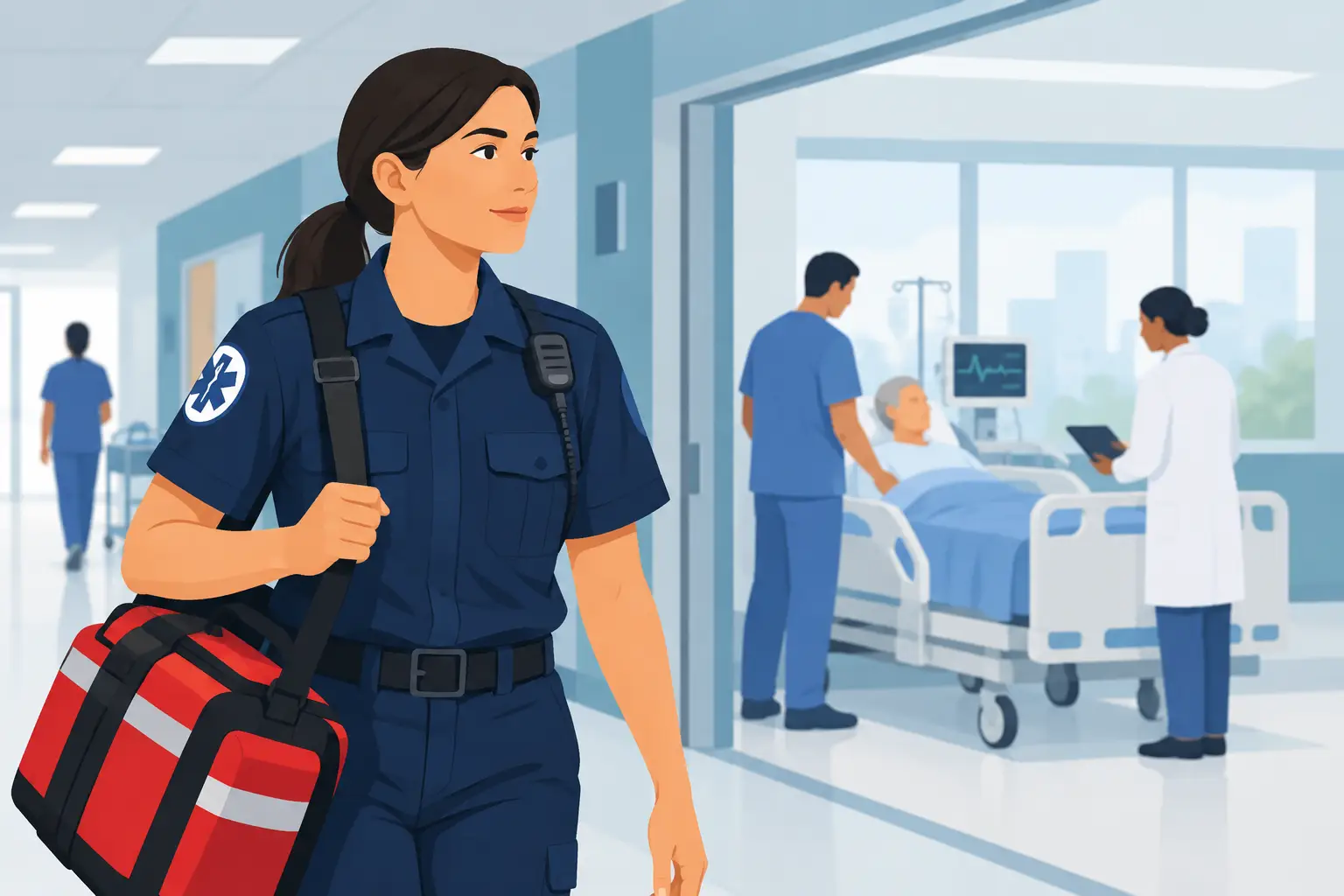
Can EMTs Work in Hospitals? Roles and Limits
A busy emergency department does not run on nurses and physicians alone. Patients still need timely vital signs, safe movement from one care area to another, basic support, and clear communication when conditions change. That is where EMT training can be valuable. So,...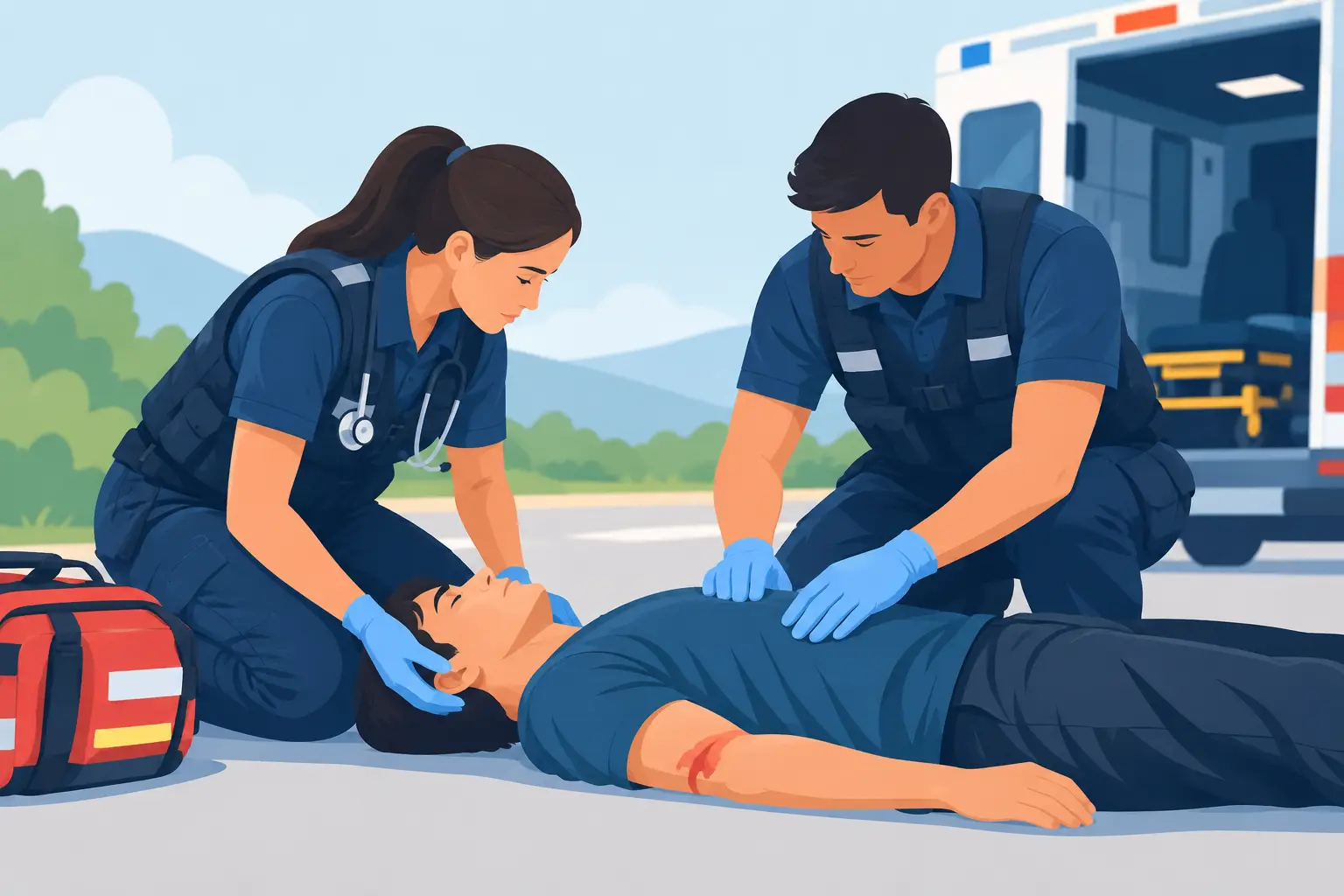
How to Assess Trauma Patients in the Field
A trauma call rarely arrives with a complete story. A fall may involve anticoagulants, a minor-looking crash may hide major internal injury, and a patient who is talking clearly can deteriorate during transport. Learning how to assess trauma patients means building a...

You Want to be a NYS EMT by TIMER, Inc, is licensed under a Creative Commons Attribution-NonCommercial-NoDerivs 3.0 United States License.